Vietnam
The Next Manufacturing Frontier in Southeast Asia
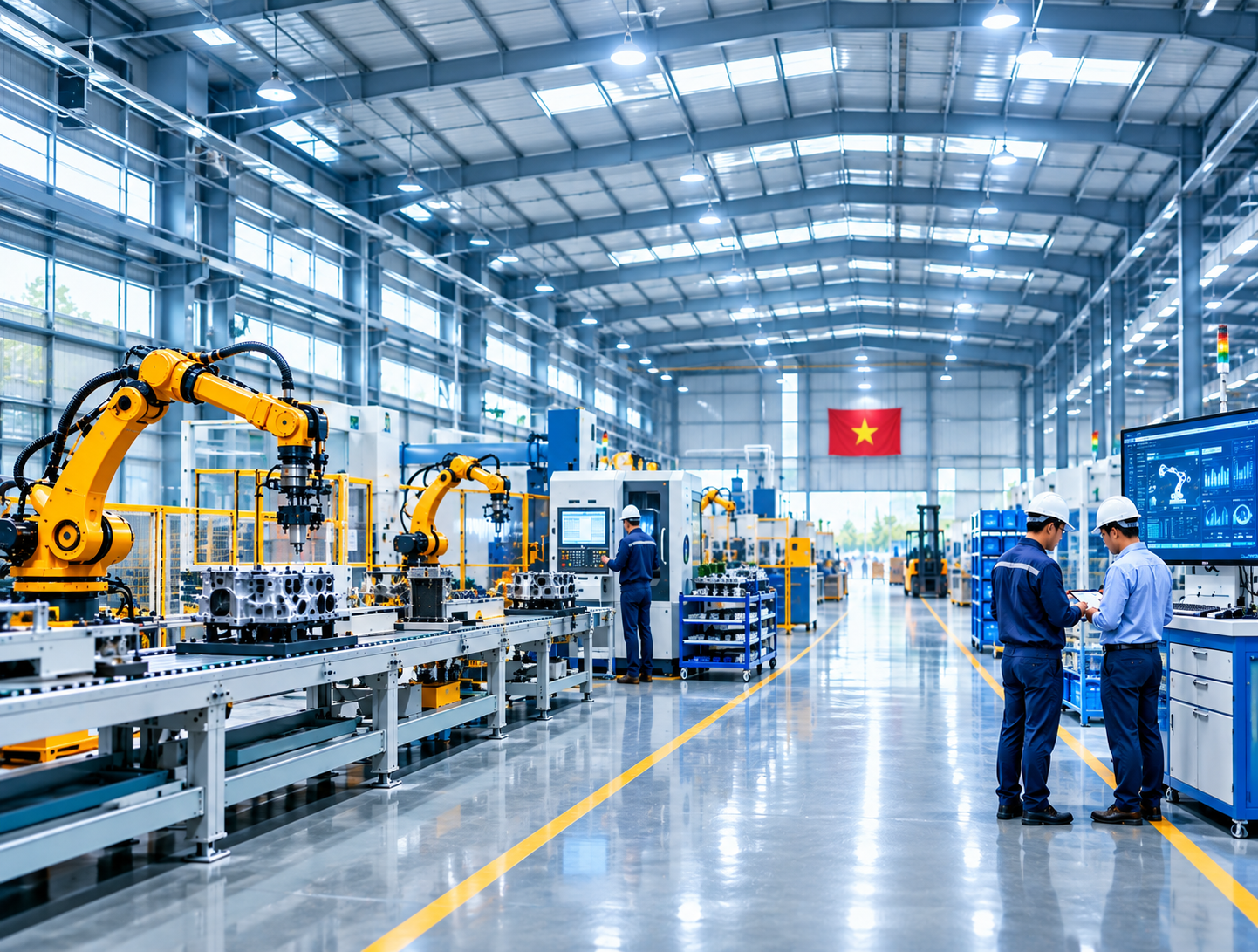
Vietnam has developed into one of Asia’s most dynamic manufacturing locations — and for European Mittelstand companies, this creates a market that is increasingly difficult to ignore. The World Bank expects the Vietnamese economy to grow by around 6.8% in 2026, following 8% growth in 2025. Manufacturing, exports and investment remain central drivers of this expansion.
Enter the German market with us
Entering the German market can be complex, but our German Sales package is designed to make the process seamless. We combine tailored market research, localized brand positioning, and proactive sales outsourcing to help your business establish a strong and sustainable presence in Germany. From identifying the most relevant target audiences to generating and managing sales opportunities, we provide comprehensive support throughout the market entry process and help position your company for long-term success.
Why Germany?
Germany offers an attractive market for many companies thanks to its size, stability, security, and central location in Europe. At the same time, entering it can be challenging: customers are loyal, quality- and price-conscious, and often demanding, while intense competition creates additional pressure.
If you are considering market entry in Germany, understanding local market dynamics is just as important as assessing the highly competitive business environment. Whatever your goals, our advice and support can help you turn them into reality. With 25 years of experience analyzing German and international markets, our senior team understands the obstacles and barriers companies may face—and how to overcome them. Get in touch with us to discuss your questions and needs. Together, we can develop practical solutions for your market entry.
Why expansion to the Netherlands as
entry point is a good strategy:
The Netherlands is a highly attractive entry point for Asian companies supplying engineered products for heavy industry due to its strategic location, massive industrial clusters, and aggressive transition toward green technologies.While the country is small, it serves as the industrial gateway to Europe, offering unique advantages for manufacturers of specialized components, machinery, and engineered systems.
The Gateway to Europe
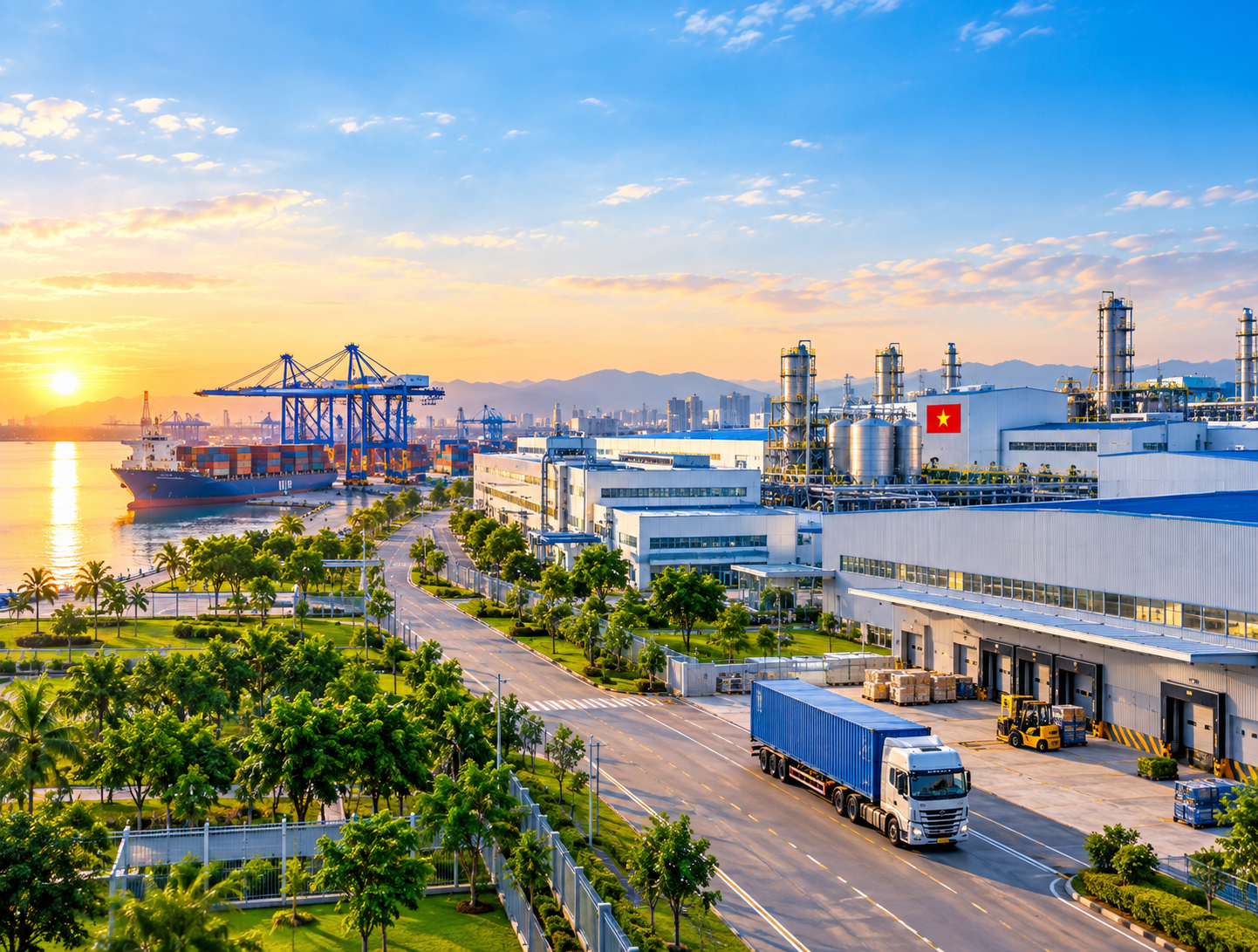
Rotterdam houses the largest seaport in Europe. It connects directly to the German Ruhr region, Europe’s industrial beating heart. Asian suppliers can use the Netherlands as a logistics hub to distribute heavy components across the continent efficiently.
Massive Industrial Decarbonization
The Dutch government is heavily investing in upgrading its deep-sea industrial clusters (Rotterdam, Amsterdam, Moerdijk, North Sea Port). This creates a massive demand for new engineered products like hydrogen infrastructure, carbon capture (CCUS) systems, and electrified industrial machinery.
Offshore Wind Energy Leadership
The North Sea is becoming a powerhouse for offshore wind. The Netherlands requires high-spec, heavy-engineered components, such as substructures, specialized maritime equipment, and heavy-lift subsea components, where Asian manufacturers have deep expertise.
Industry Density
The country boasts a high concentration of chemical, petrochemical, and food processing plants. These facilities are constantly retrofitting to meet strict European environmental standards, driving the need for advanced valves, pumps, compressors, and custom pressure vessels.
Asian manufacturers specializing in these high-value niches will find a strong market fit
Marine & Subsea Hardware: High-grade, corrosion-resistant alloy components, heavy forgings for propulsion, and offshore wind structural elements.
Mining & Excavation Components: Wear-resistant castings, heavy hydraulics, and structural steel assemblies for giants like Epiroc and Sandvik.
Electrification & Grid Components: Engineered parts for large-scale battery manufacturing plants (such as Northvolt) and heavy electrical grid infrastructure.